Catch Me at the Museum — Bringing Art into the City
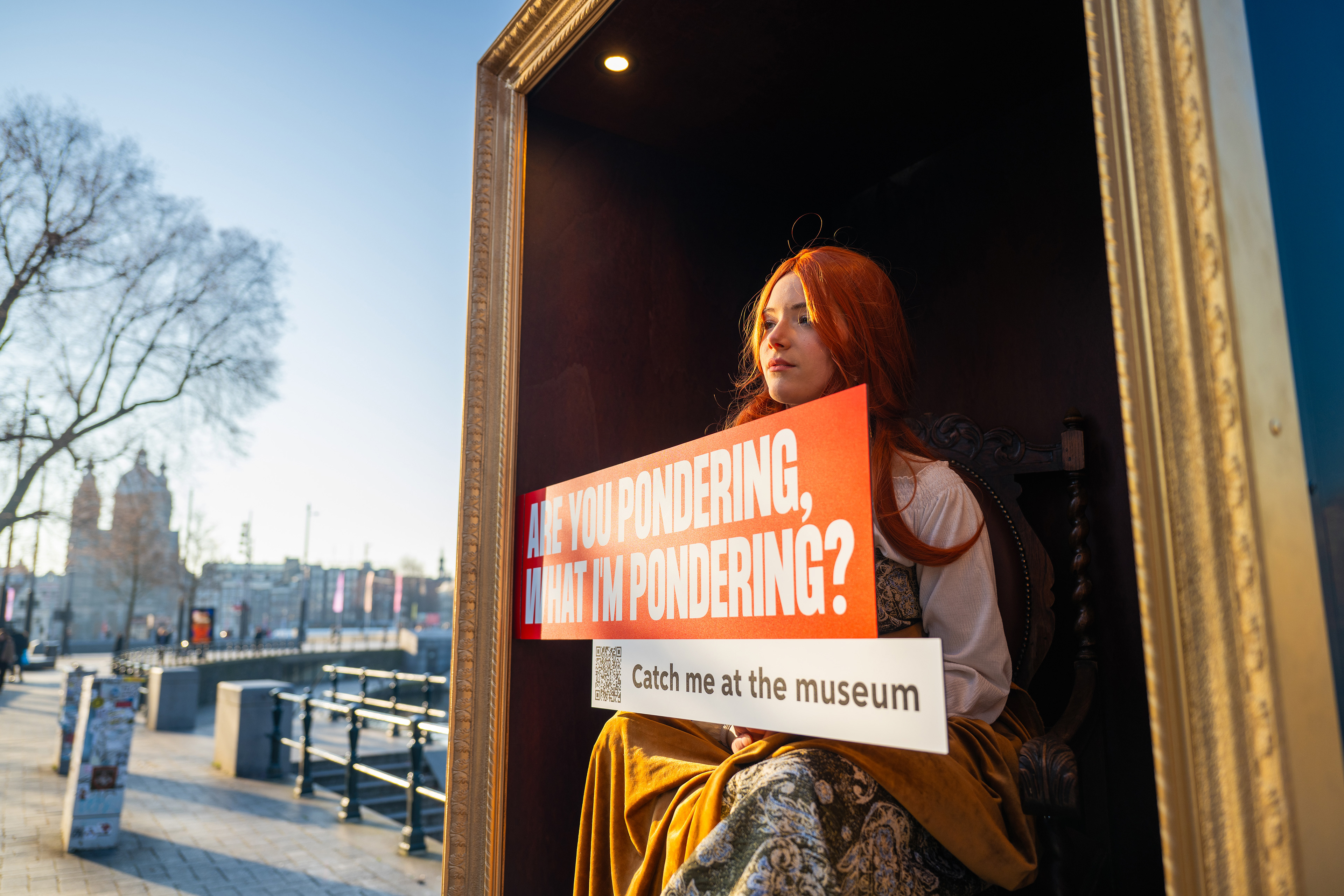
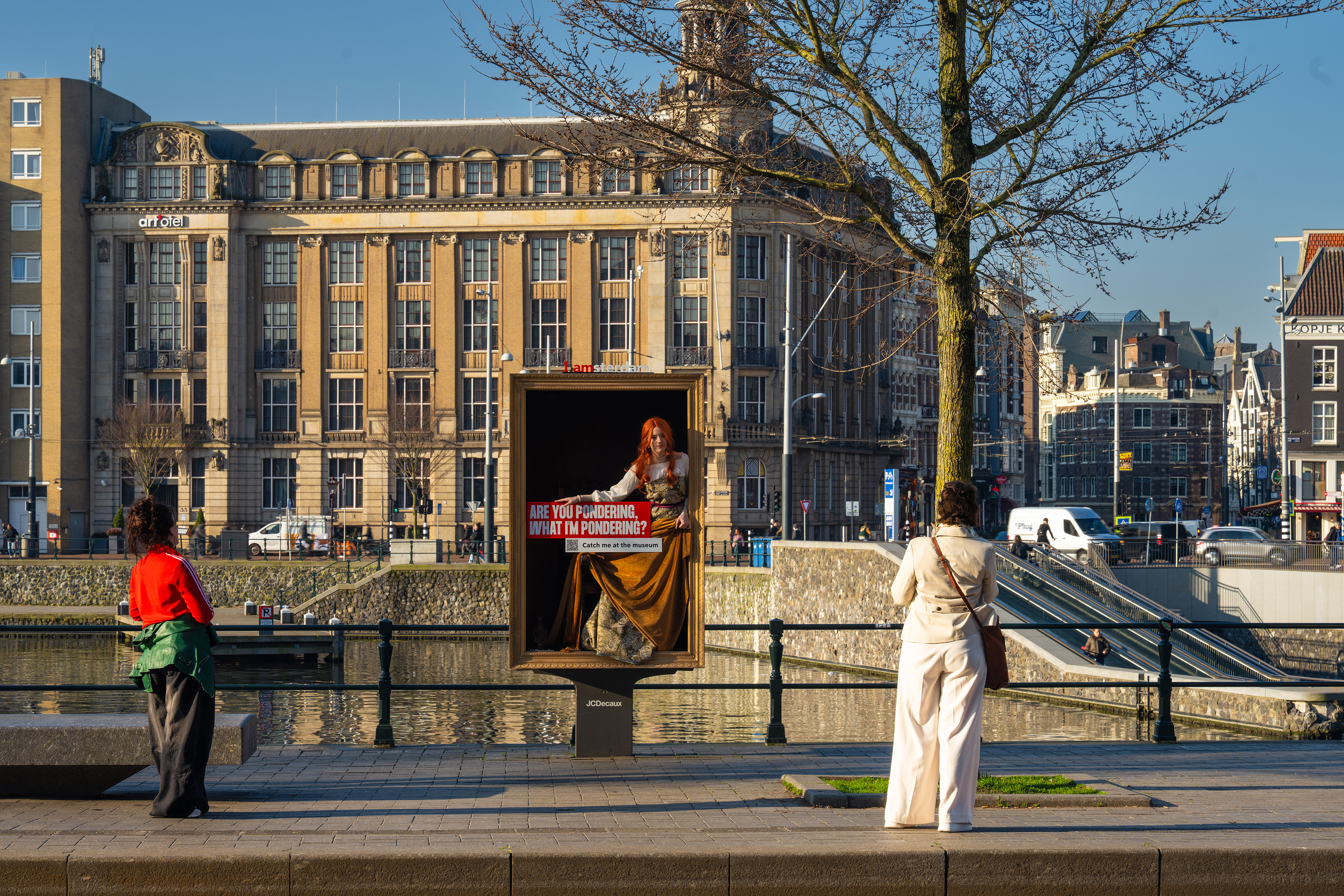
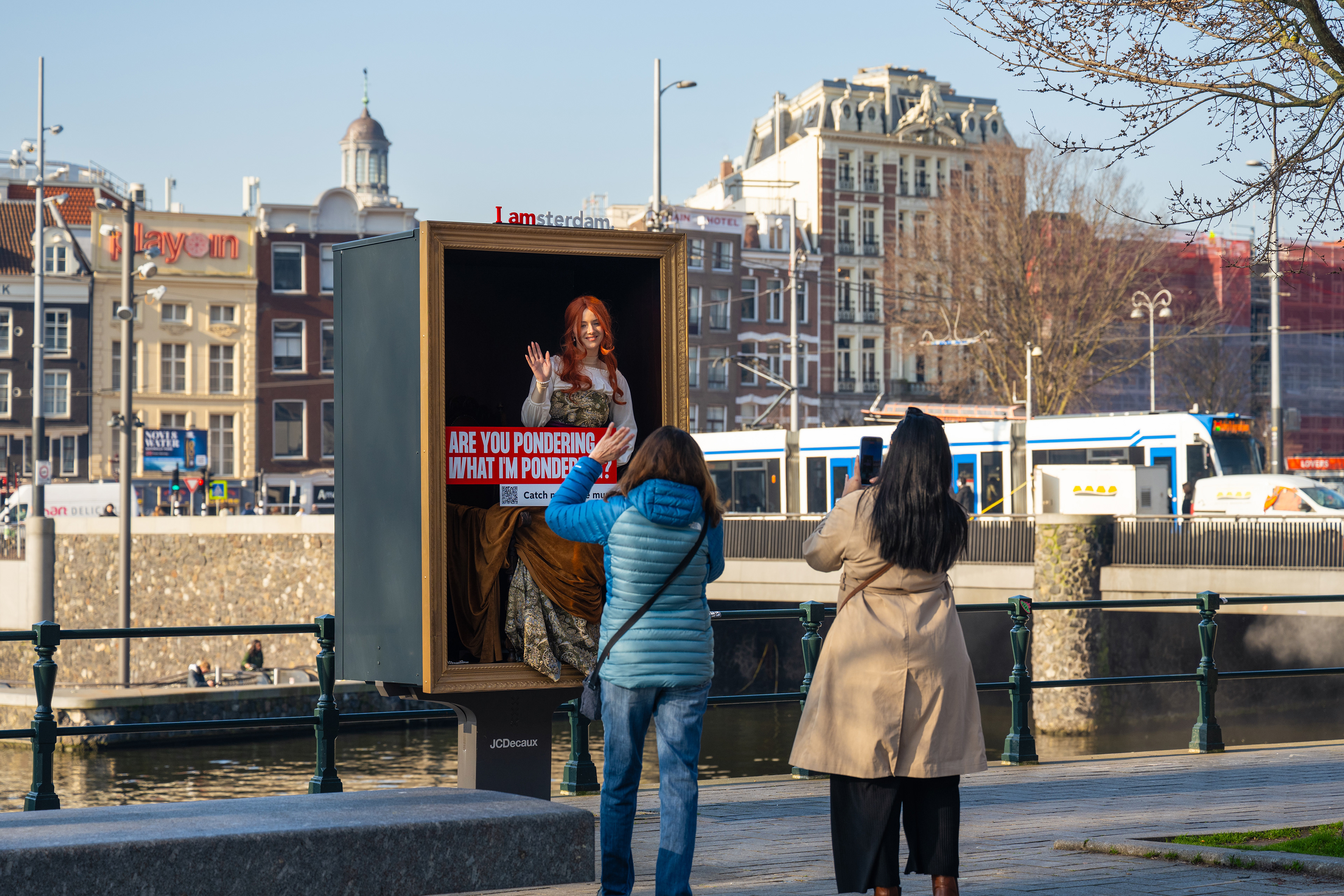
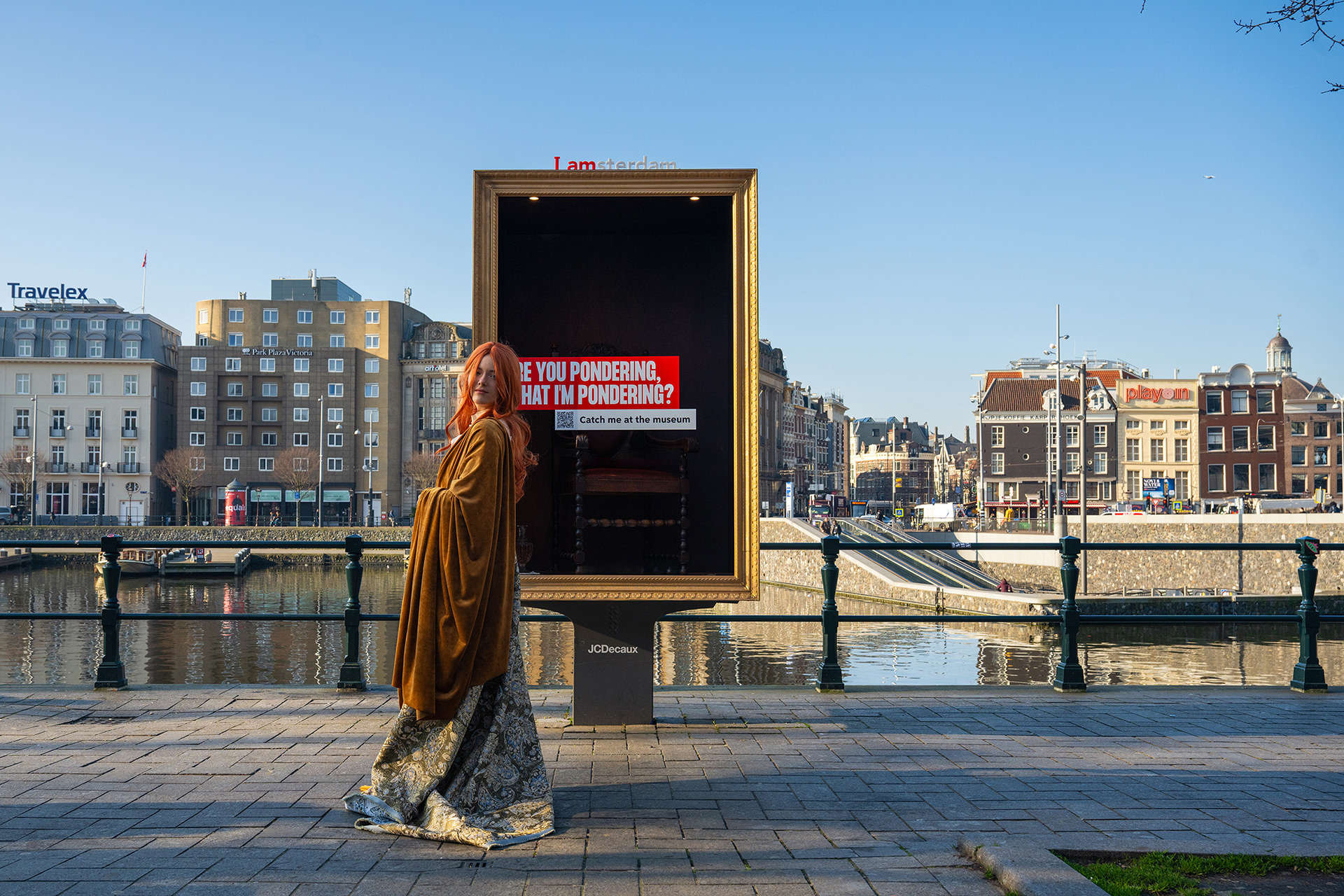
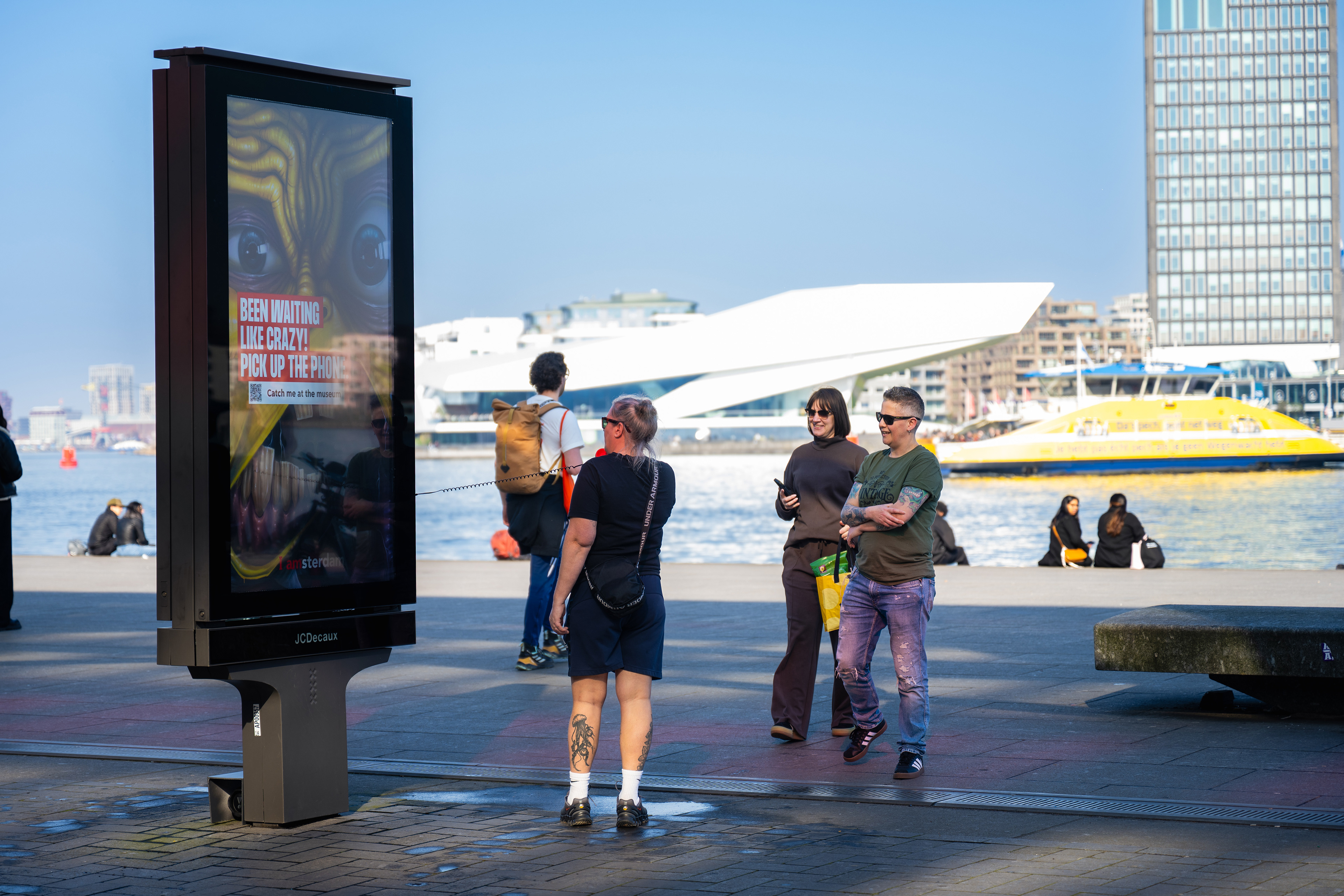
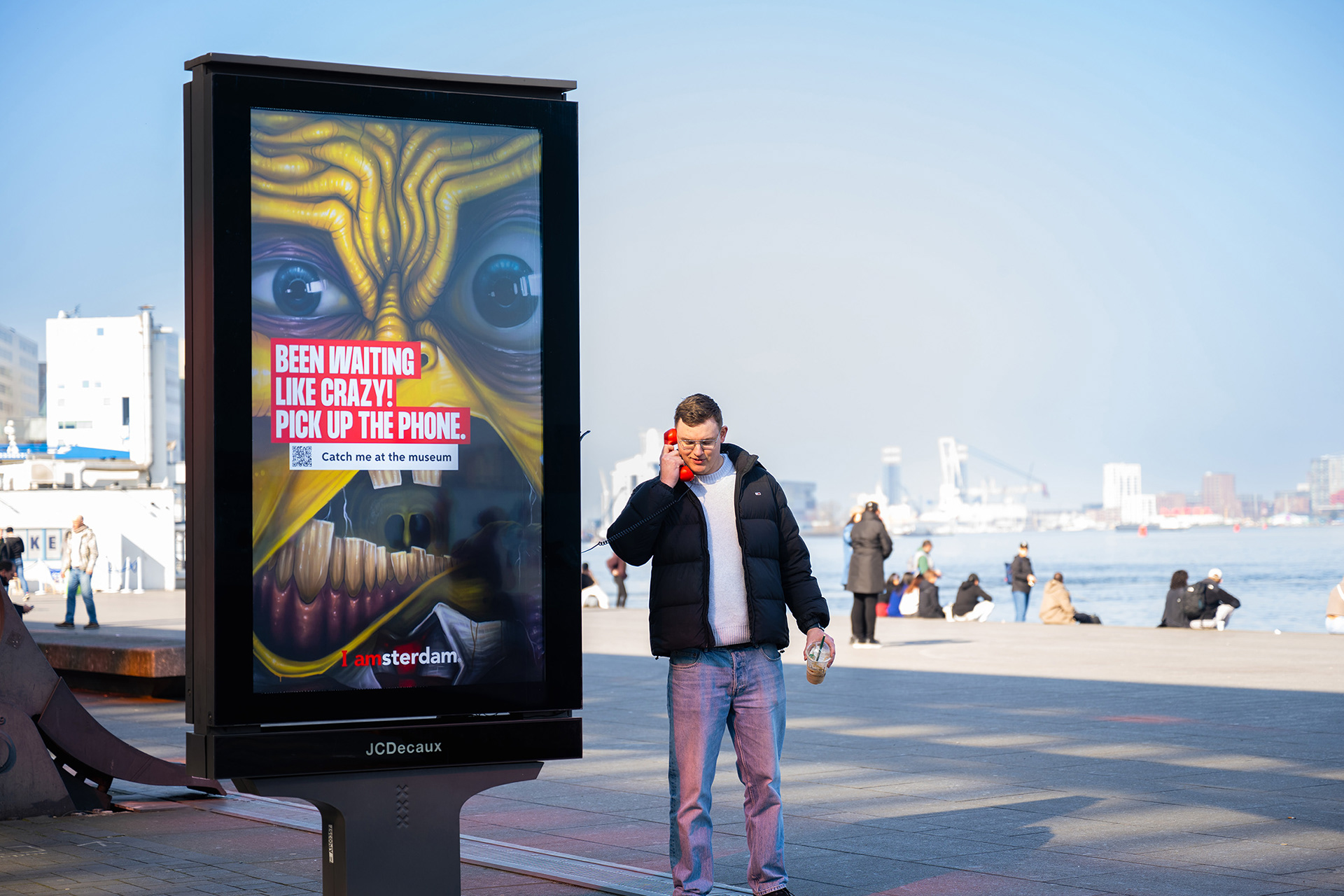
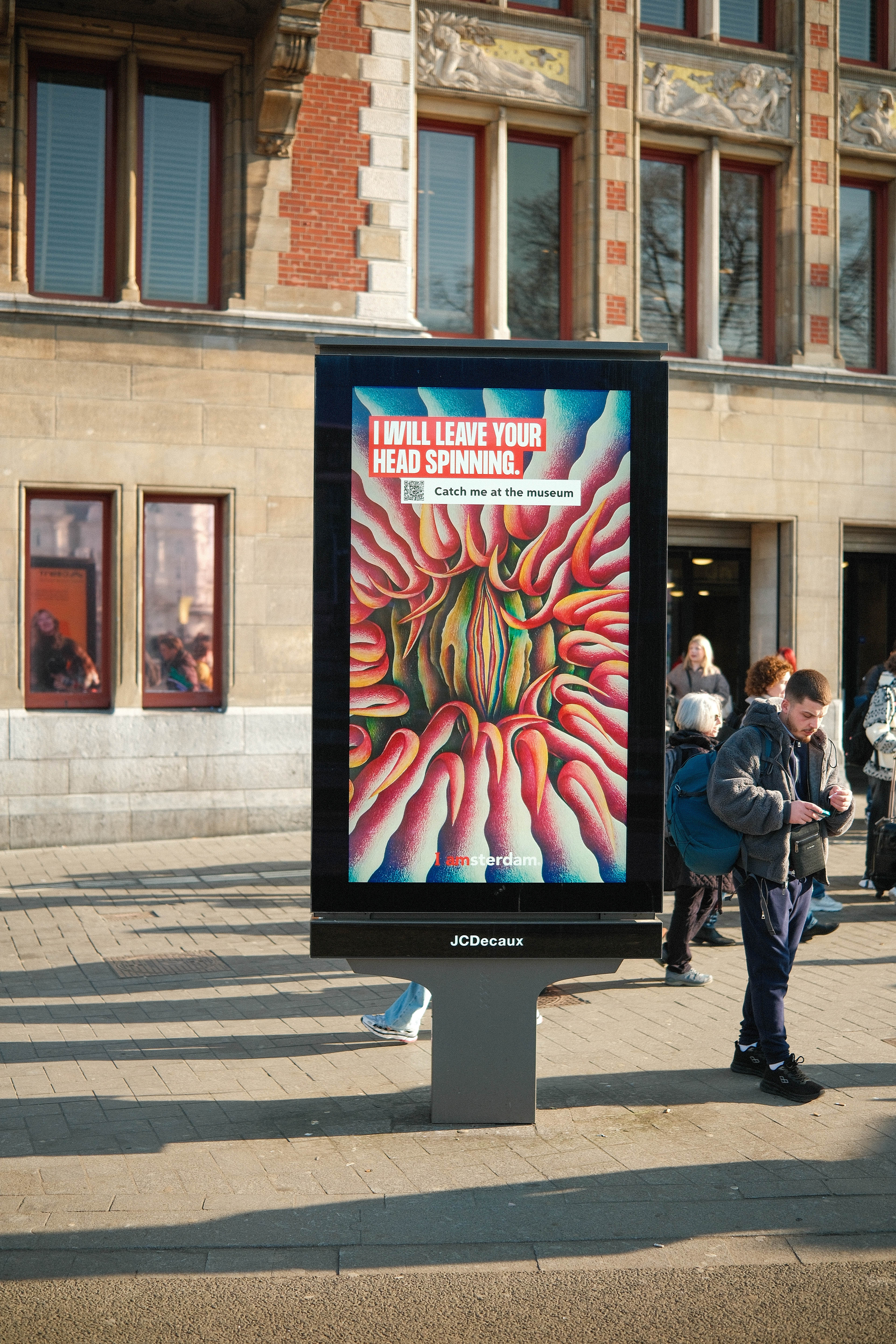
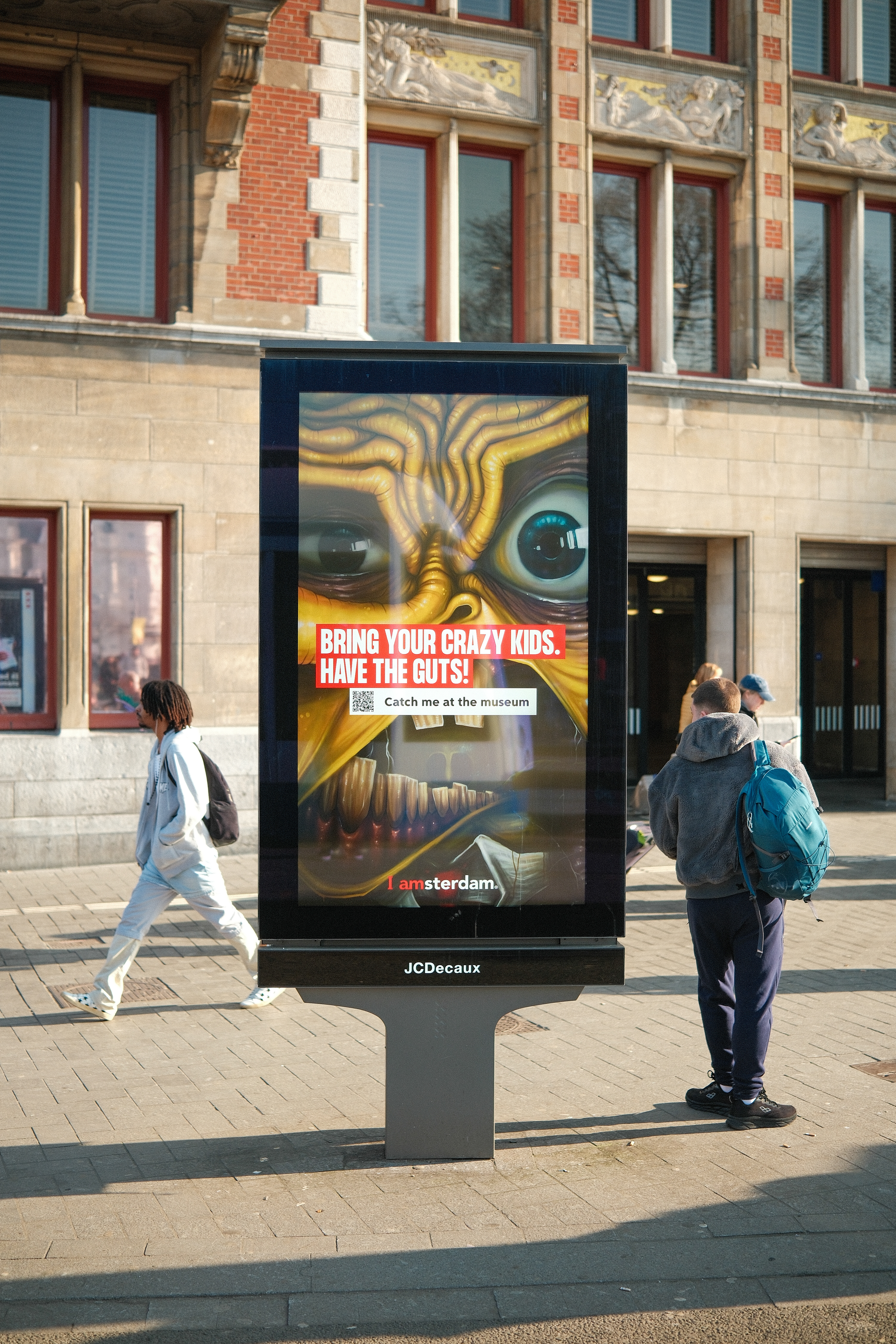
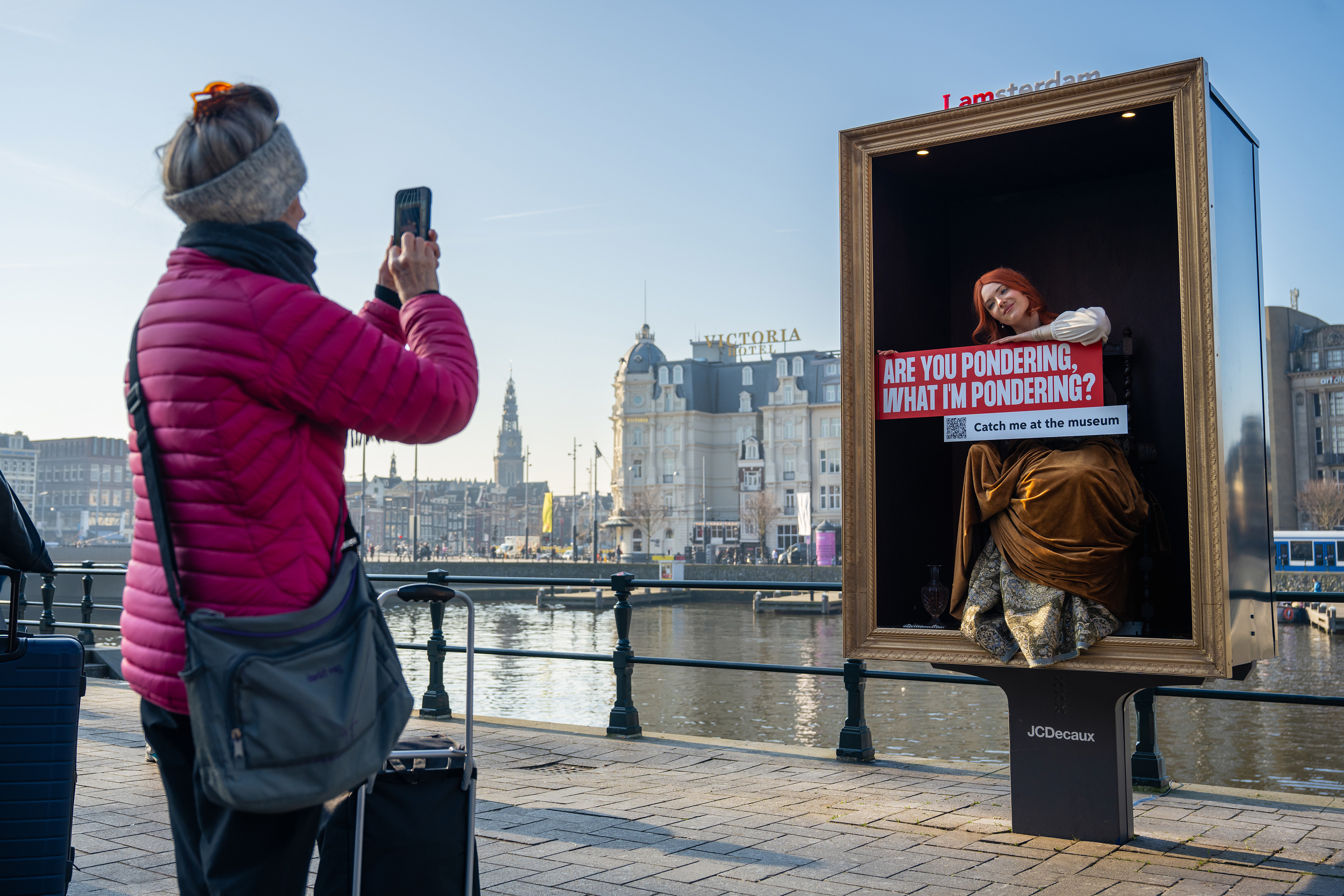
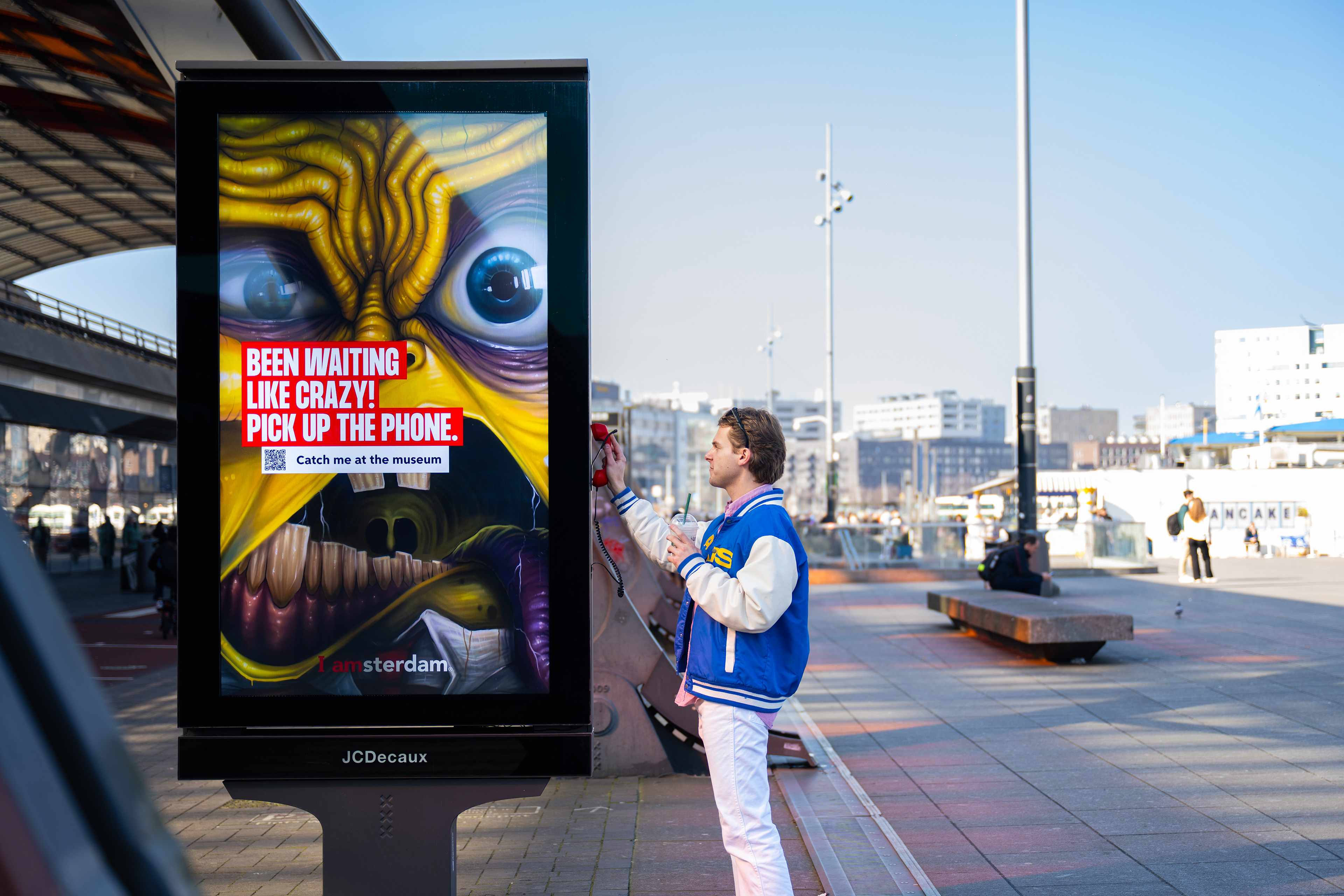
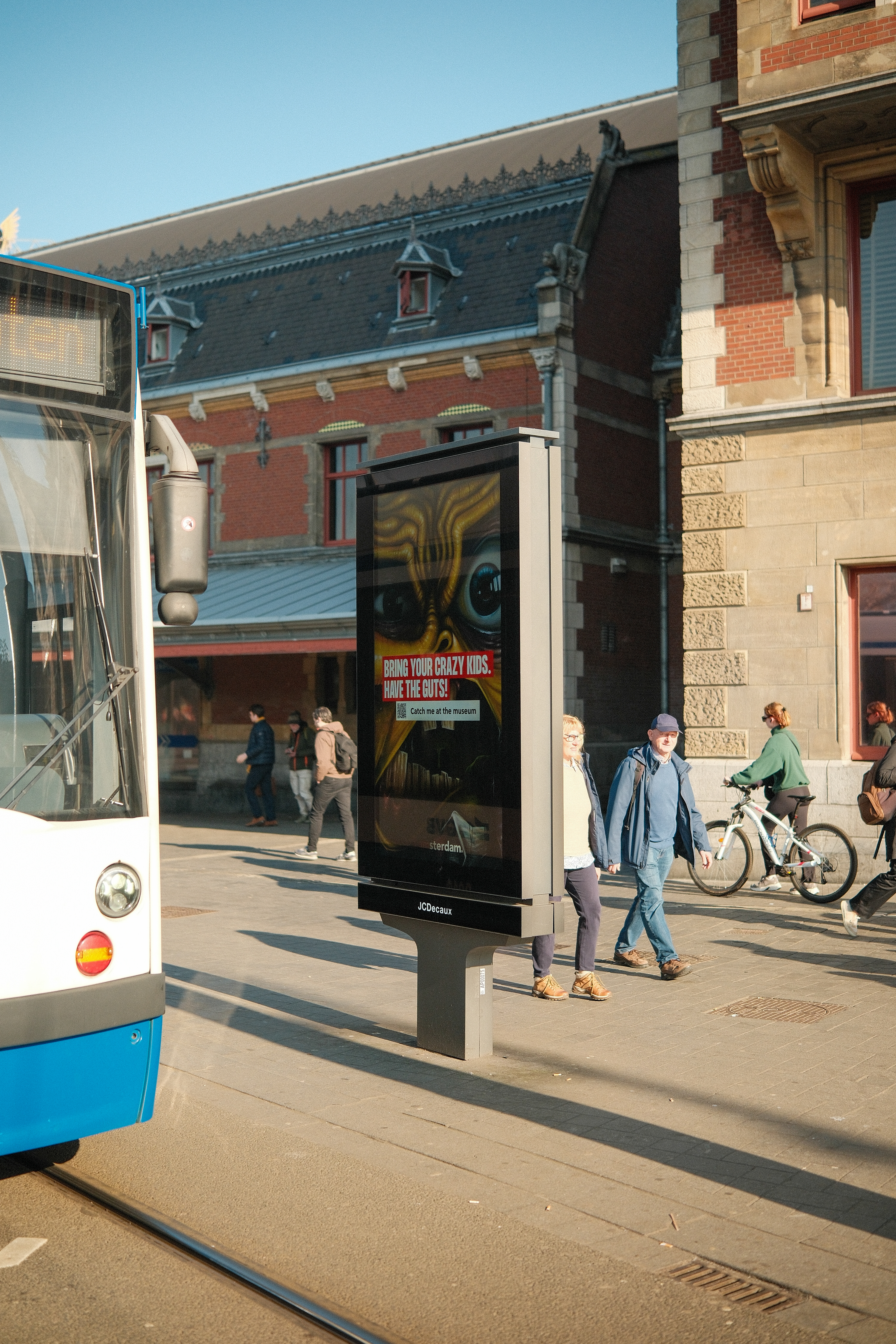
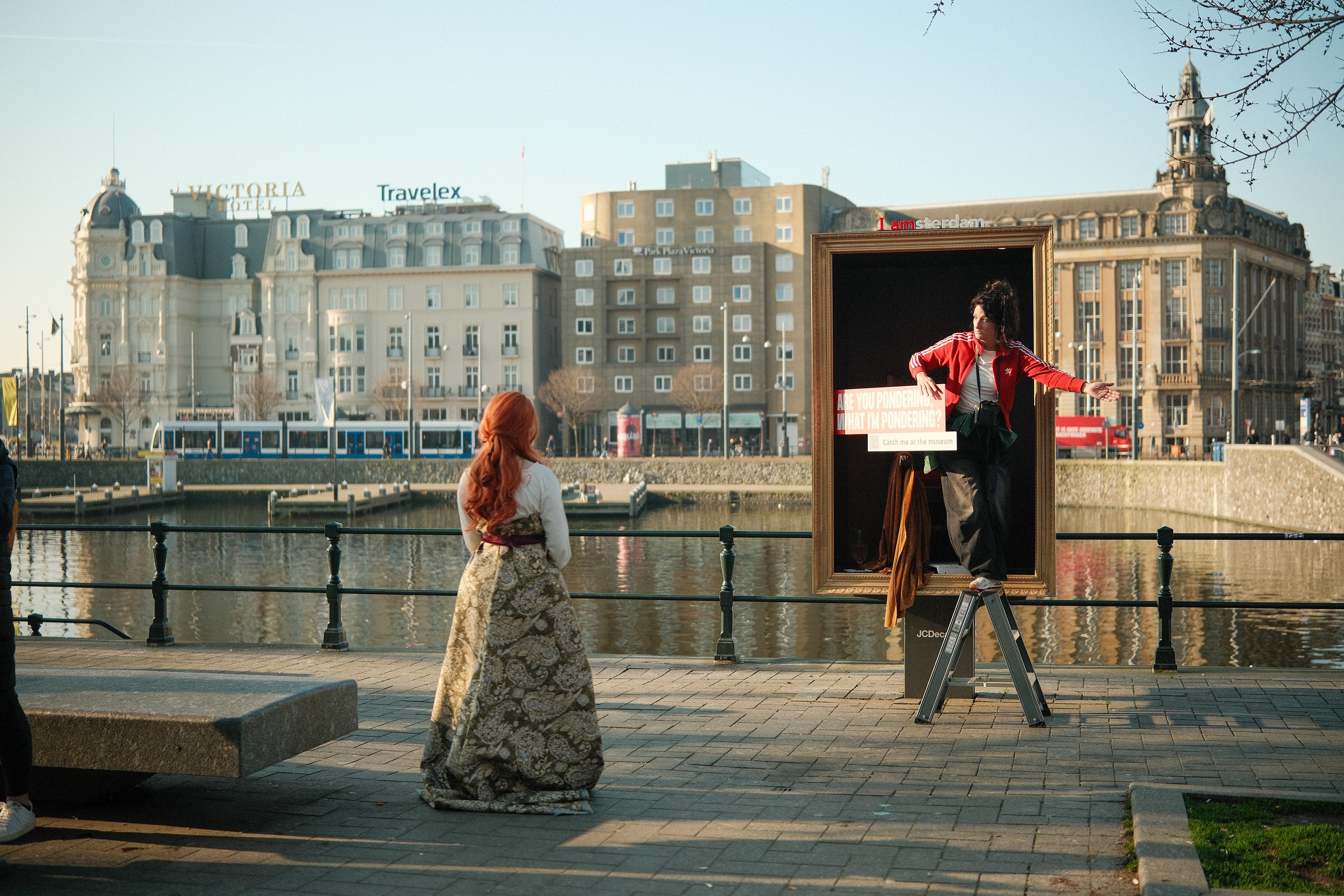
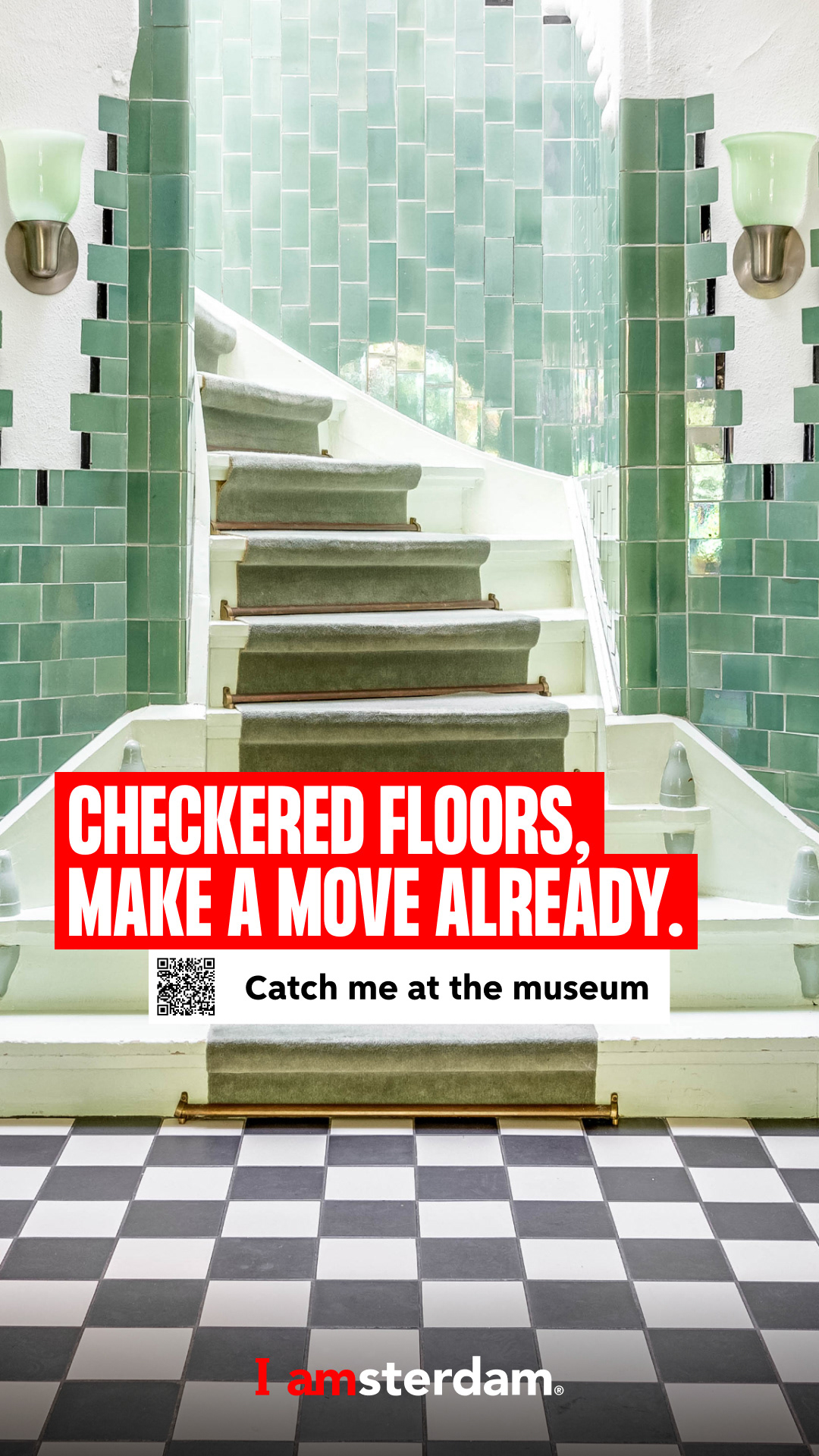
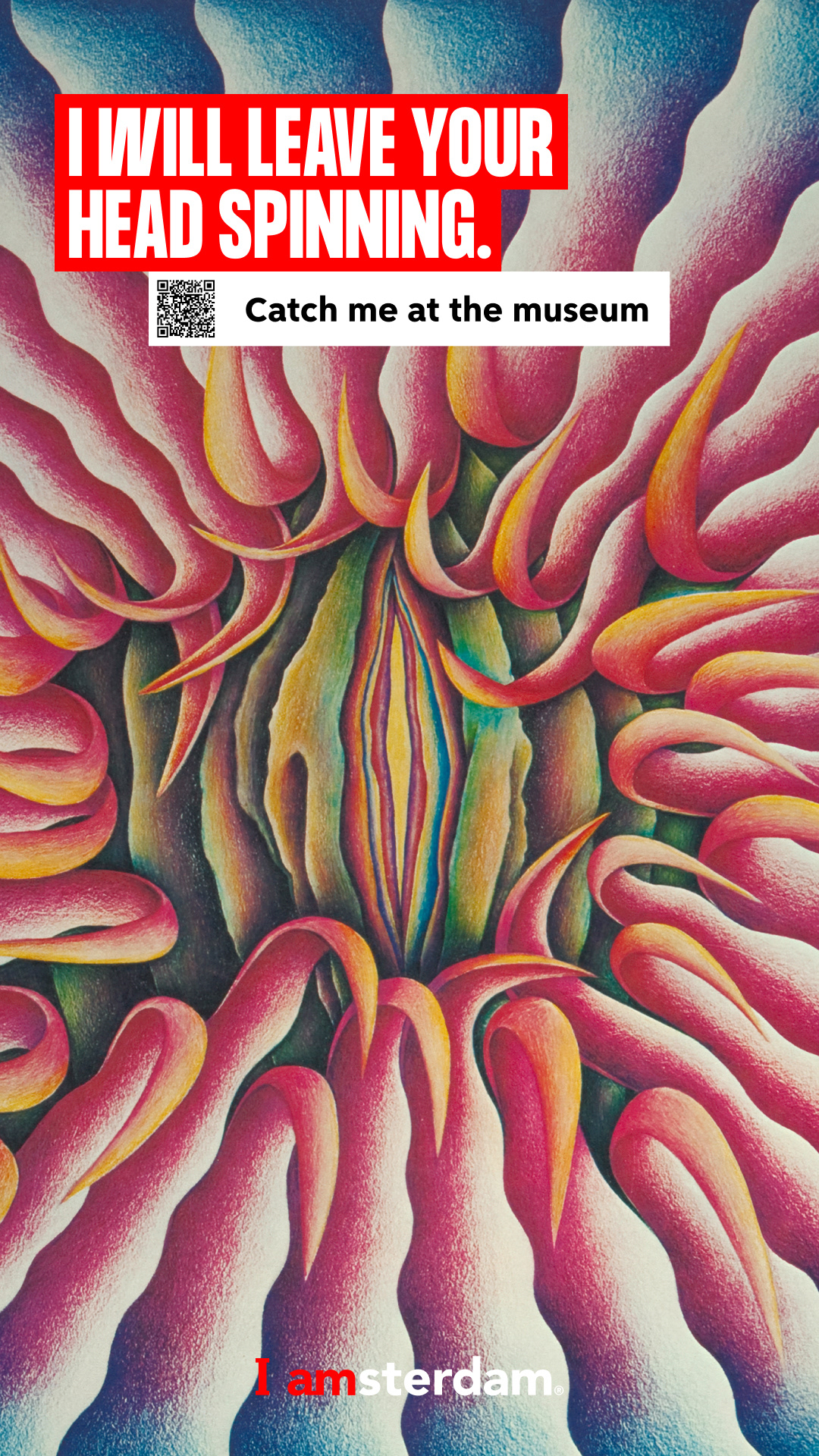
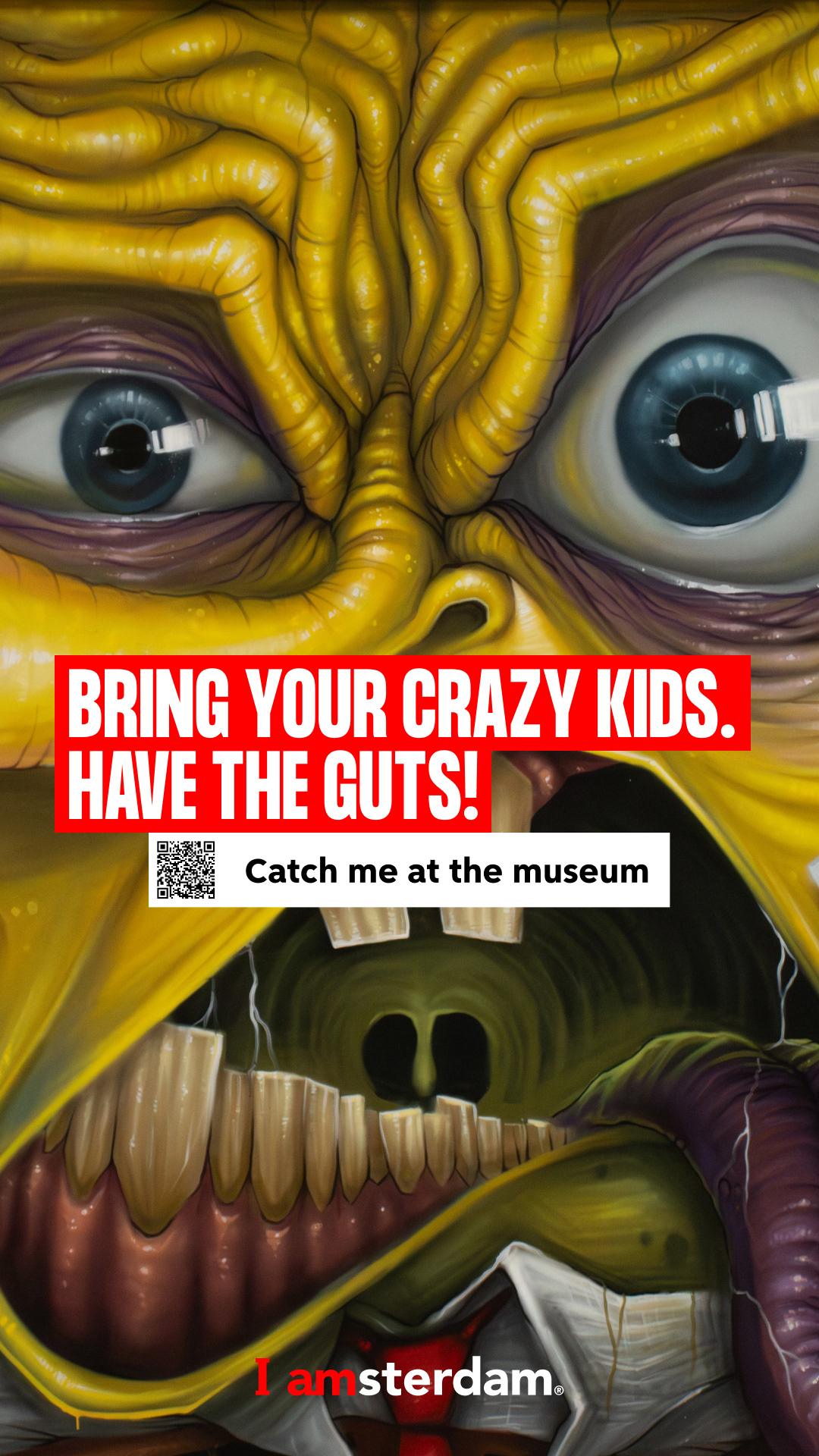
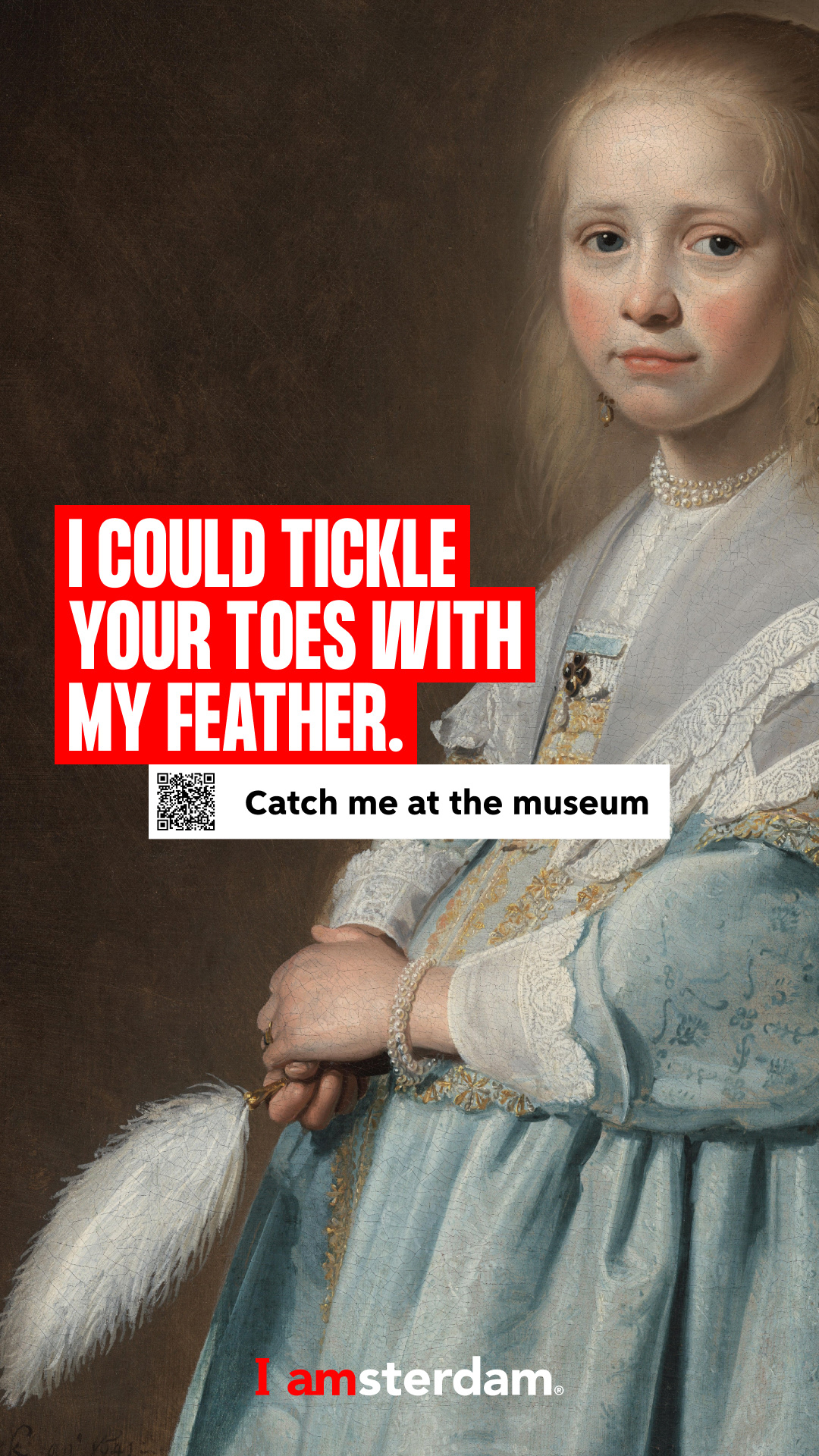
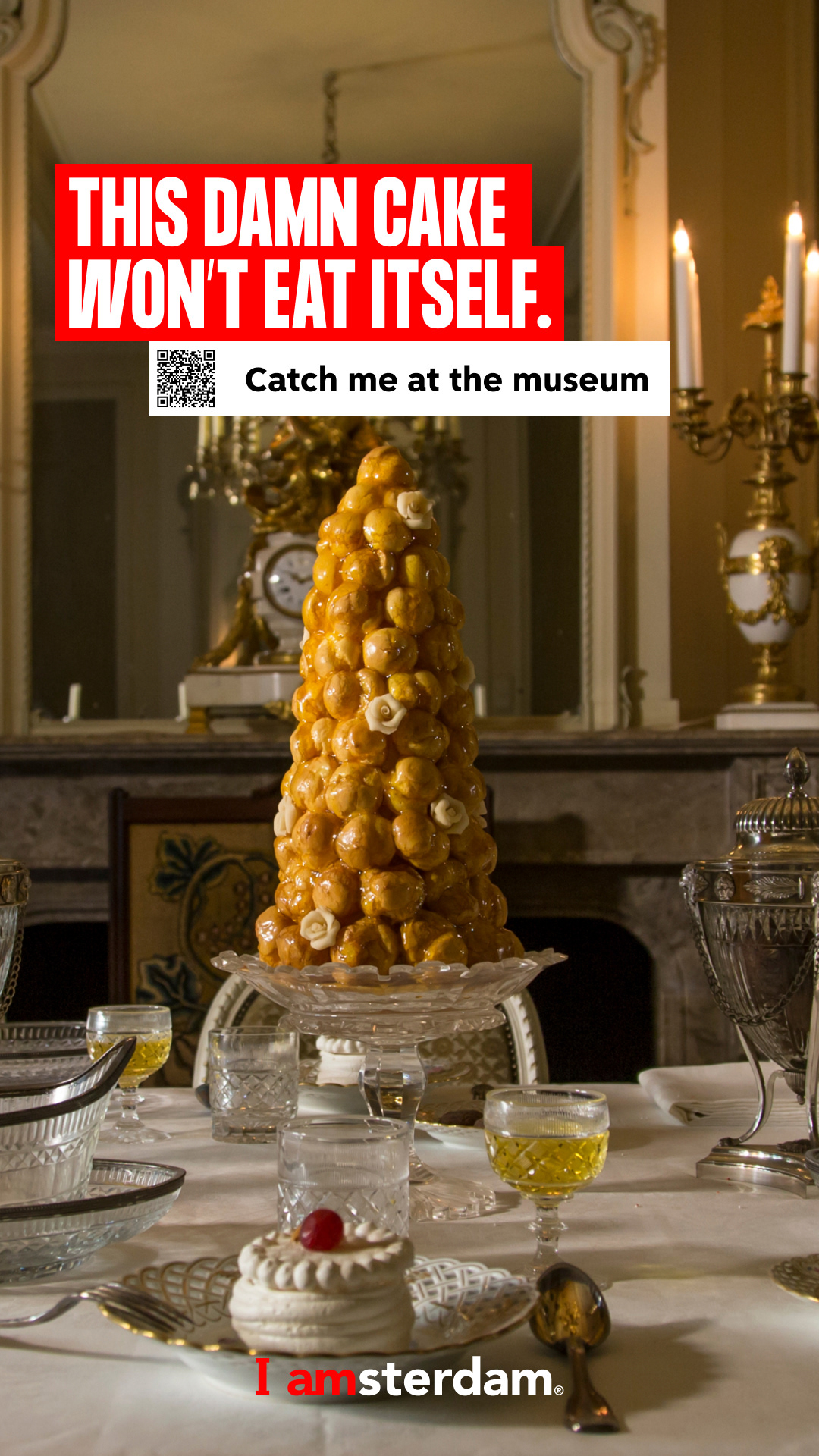
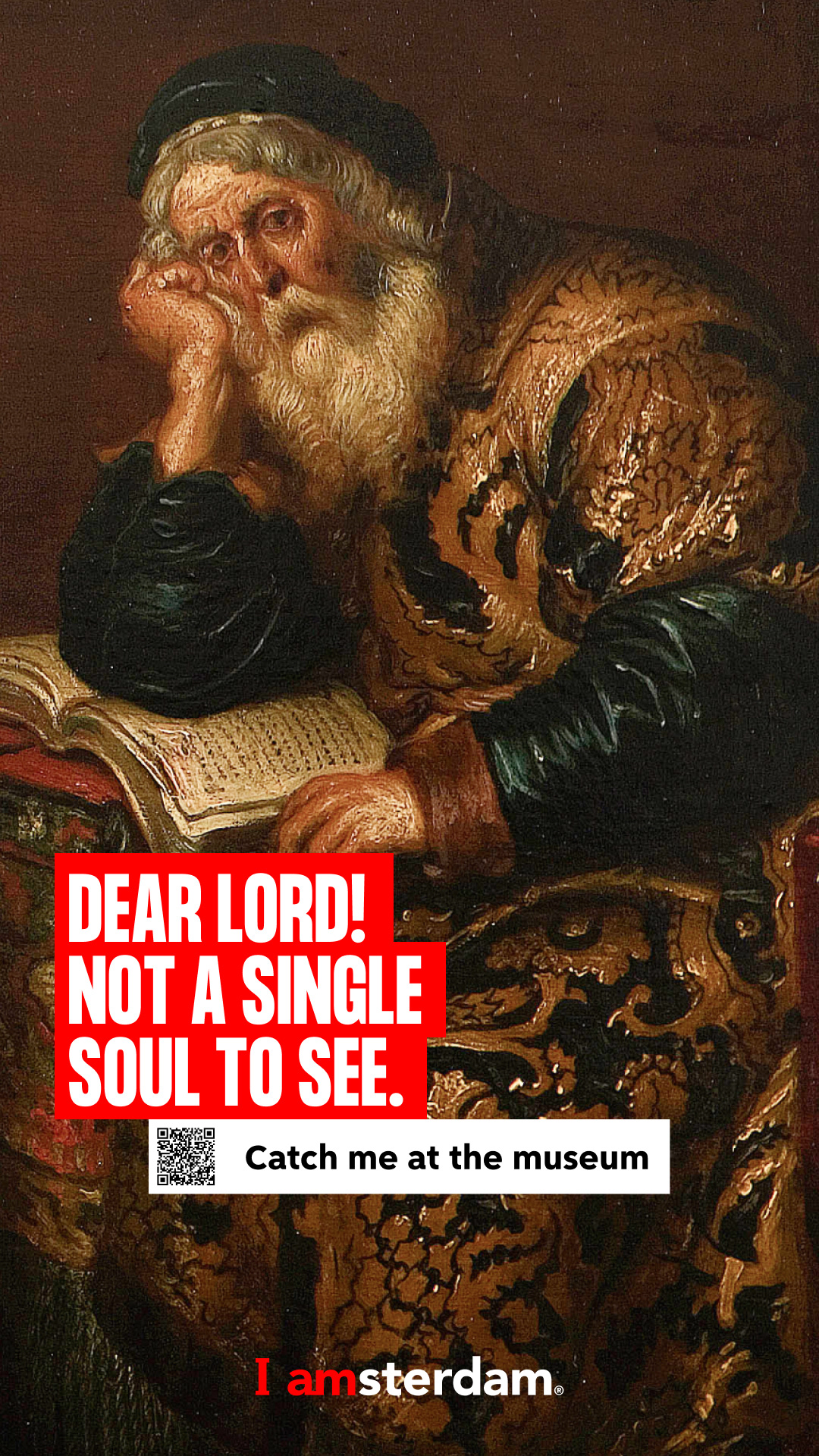
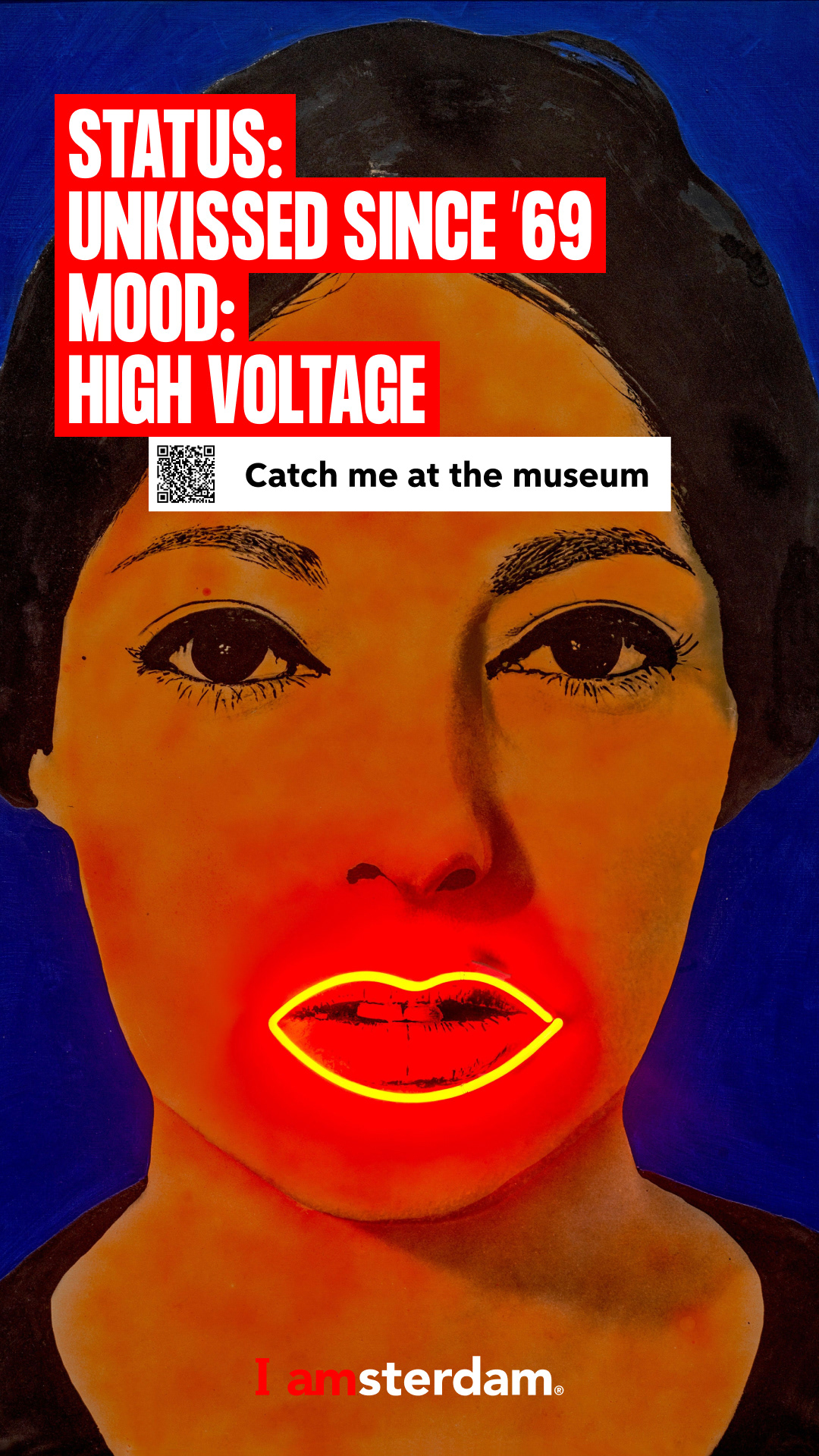
I worked on “Catch Me at the Museum”, a city-wide campaign in Amsterdam that repositions classical art within a contemporary urban context. The idea was simple but powerful: take iconic artworks out of museums and place them directly into everyday public spaces, transforming the city into an open-air gallery.
Role & Scope
I was involved across the production and design execution phases, working closely with the creative and production teams to translate the core concept into a scalable system of OOH assets. My responsibilities included:
Preparing and refining key visuals for production
Creating and adapting assets across multiple formats and placements
High-end retouching and compositing
Ensuring visual consistency and quality across the full asset suite
The Challenge
The main difficulty wasn’t just adapting artworks into formats — it was making them belong in the real world.
Each piece had to:
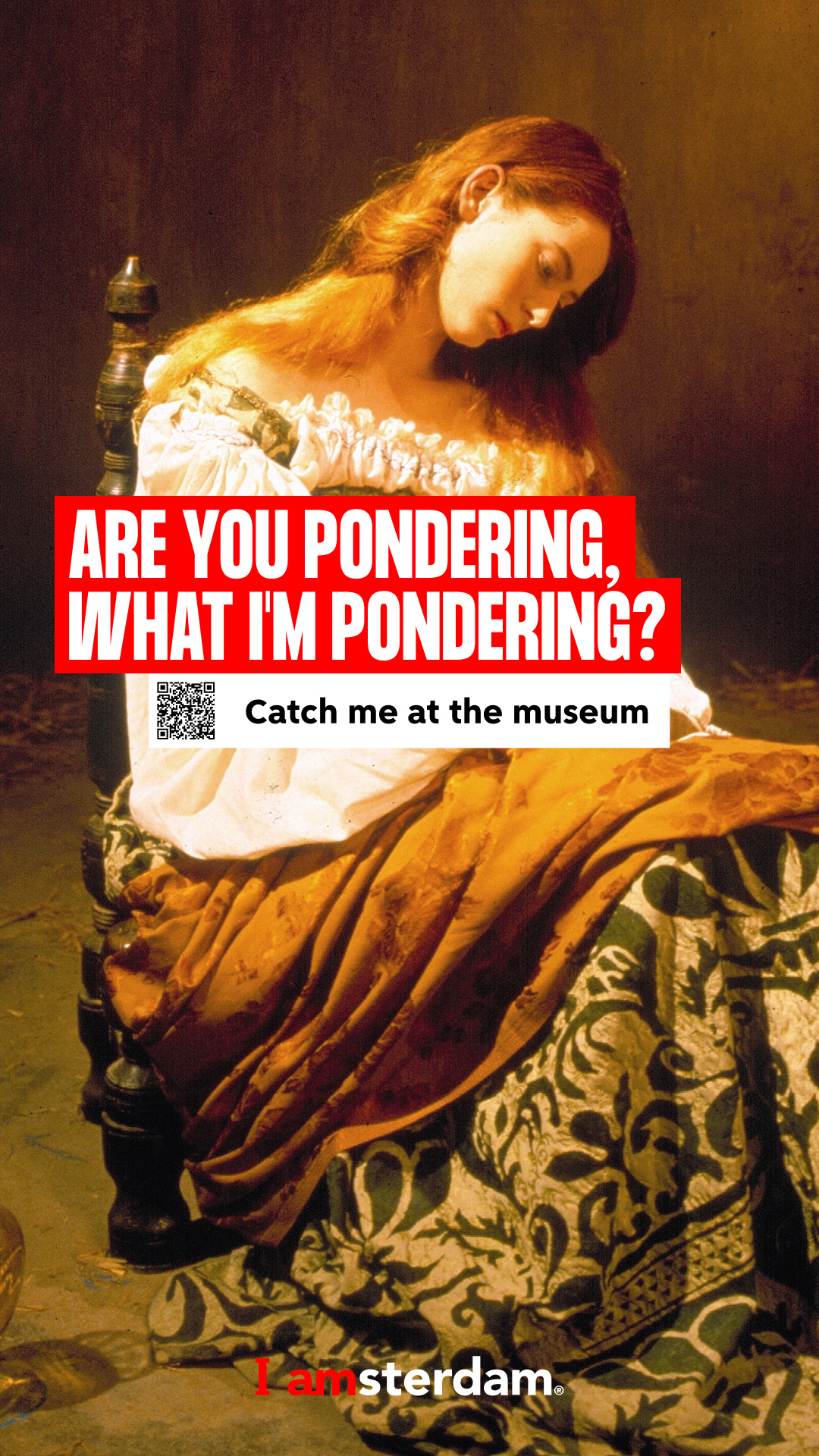
Maintain the integrity and recognizability of the original artwork
Interact naturally with the physical environment (light, perspective, scale)
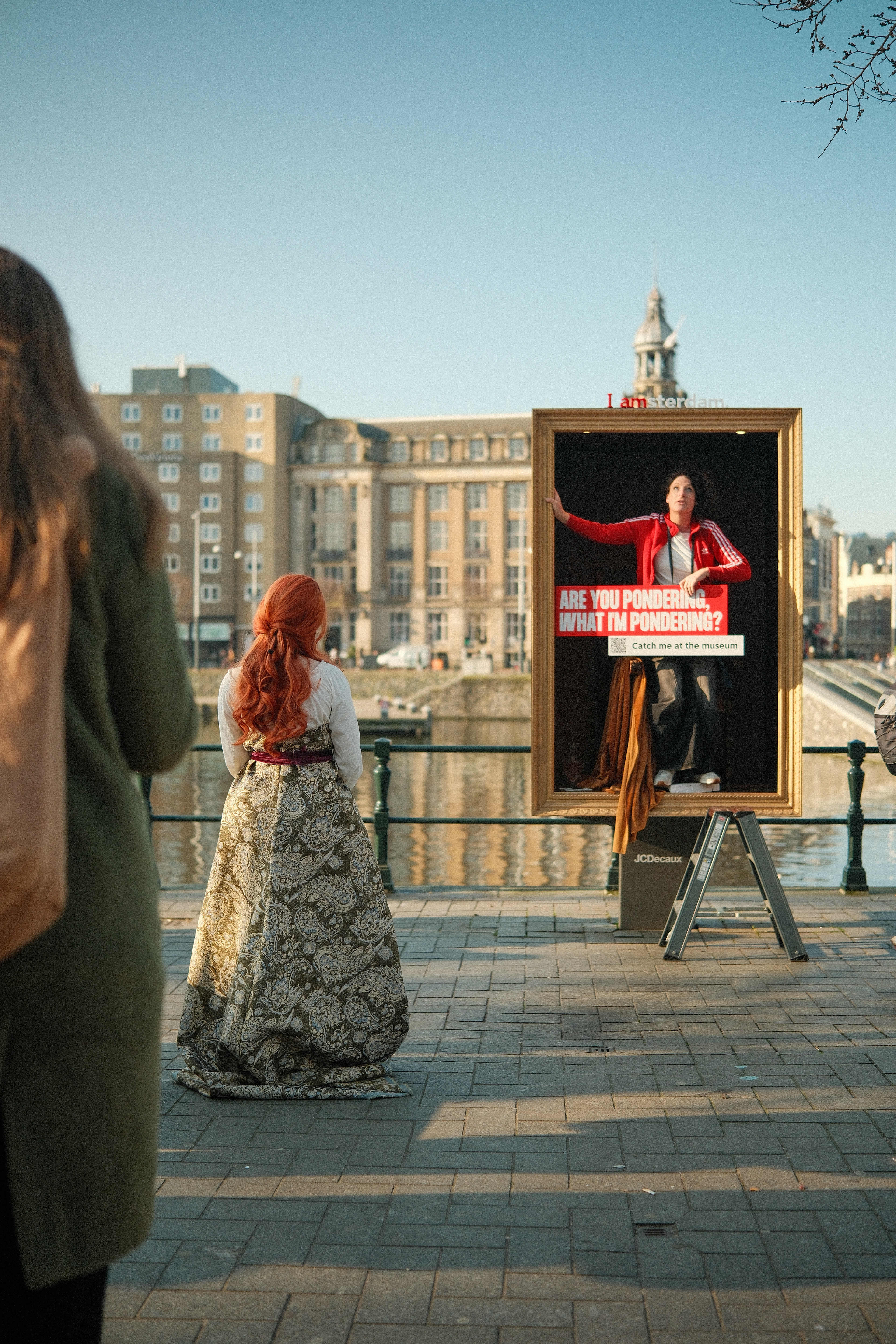
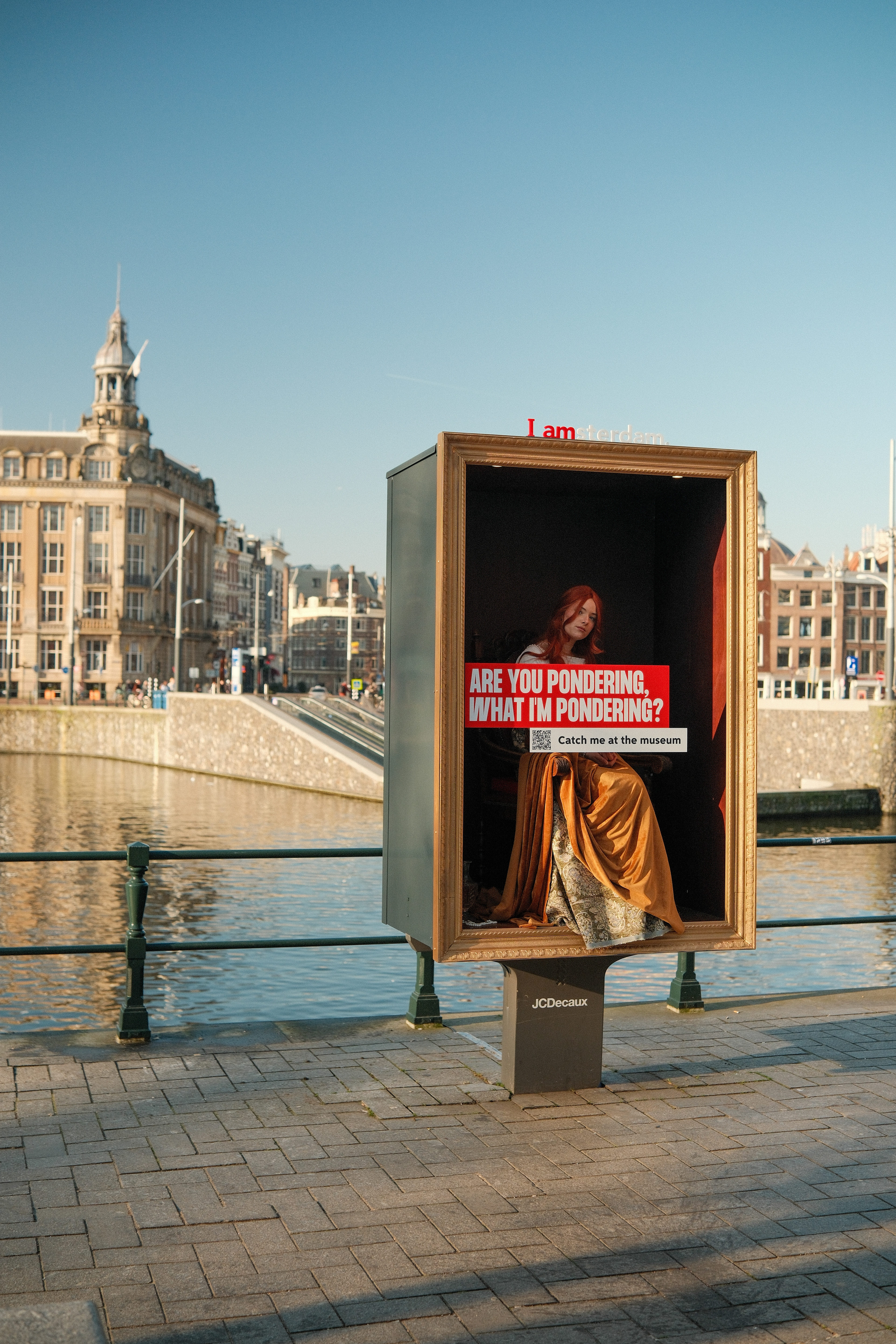
Support the illusion of “breaking out of the frame”
Work effectively across different OOH placements and viewing distances
This required a careful balance between preservation and intervention — knowing when to stay invisible as a designer and when to enhance the visual for impact.
Approach
I treated each asset as a spatial composition rather than a flat layout.
Key focus areas included:
Key focus areas included:
Compositing realism — matching environmental lighting, color temperature, and shadows so the artwork feels physically present
Frame interaction — extending elements beyond the frame in a way that feels intentional, not decorative
Readability at distance — ensuring that messaging and visuals remain clear in real-world conditions
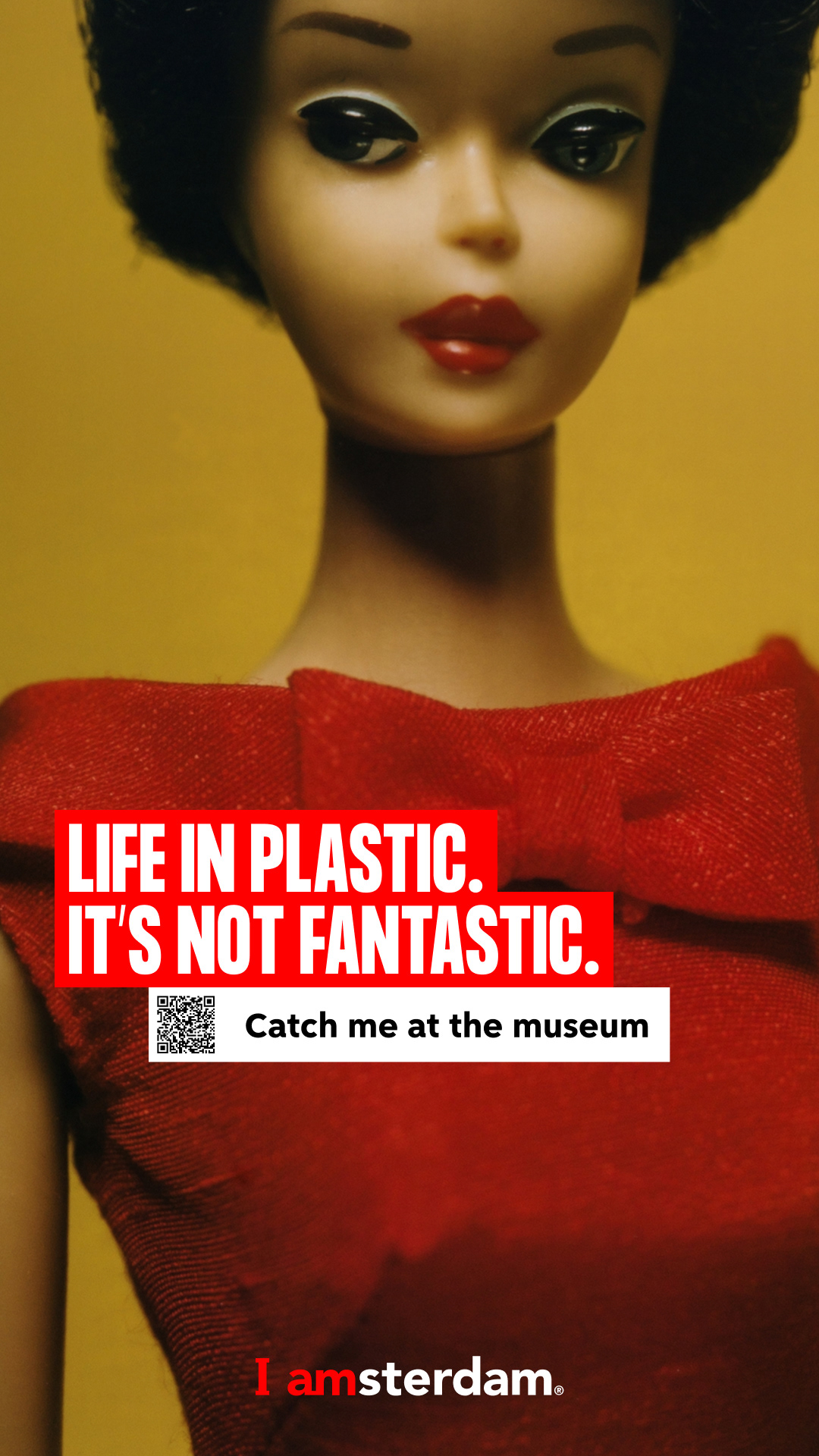
Consistency across formats — maintaining a cohesive visual system despite variations in placement, scale, and orientation
A large part of the work was iterative — testing different compositions and refinements to find the right balance between concept clarity and visual believability.
Outcome
The final campaign successfully bridges classical art and contemporary urban life. By placing artworks into familiar city environments, it invites people to engage with them in a more immediate and accessible way.
From a design perspective, the strength of the project lies in how execution supports the idea — the illusion feels natural, the visuals hold up in real-world contexts, and the system scales across multiple placements without losing impact.